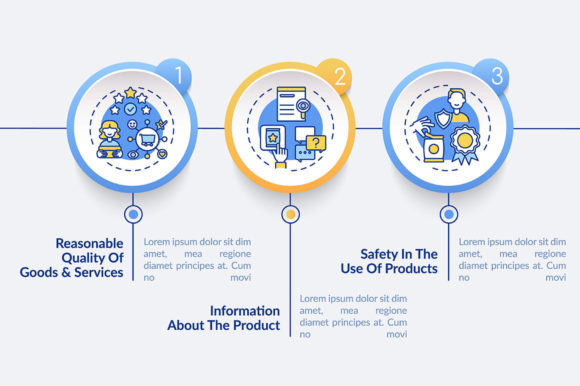
Basic Consumer Rights Vector Infographic for Graphic Templates
When I first opened the Basic Consumer Rights Vector Infographic, it immediately caught my eye with its clean, structured layout. The design feels modern and informative, making it a strong candidate for educational or informational visuals. As a designer working across branding, marketing materials, and digital assets, this graphic template has potential to add clarity and visual appeal to a wide range of projects.
A Structured Approach to Information Design
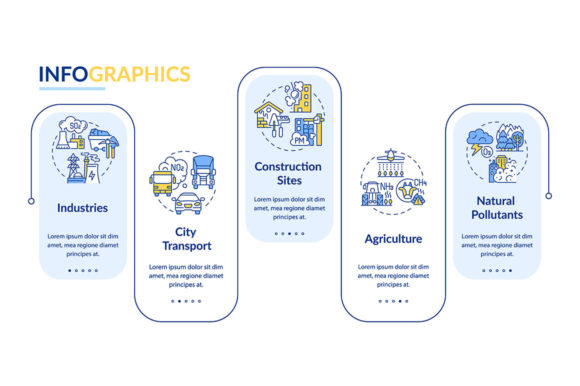
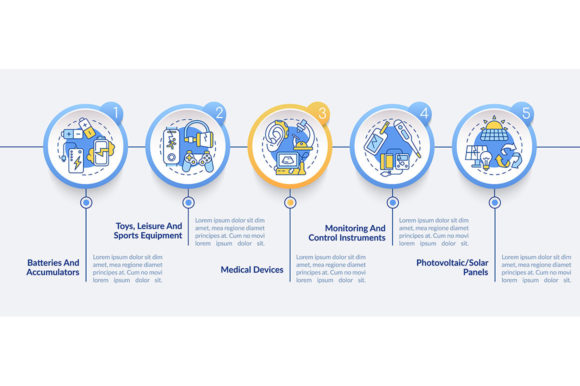
The infographic uses a three-step data visualization process that’s easy to follow. The linear icons and timeline chart help break down complex information into digestible parts, which is ideal for explaining consumer rights in a way that's both engaging and professional. This makes it particularly useful for small businesses or handmade brands looking to educate customers on product safety or return policies.
The workflow layout feels intentional and well-organized, with each step clearly separated. This kind of structure is essential when creating content for packaging design, product labels, or even social media posts where visual hierarchy matters.
Visual Style and Mood: When It Works Best
This graphic asset leans into a minimalist yet informative style, which works best in large layout areas such as hero graphics, posters, or print-on-demand products like mugs or tote bags. It can also serve as a decorative accent in themed collections or campaign visuals, especially those targeting an audience that values transparency and clear communication.
I see it fitting seamlessly into brand identity work for small businesses, especially those in the handmade or artisanal space. It could be used in blog visuals, editorial design, or even as part of a Canva template for social media graphics. Its clean look also translates well to digital ads and Pinterest pins, where high readability and quick comprehension are key.
Where to Use with Caution
While the Basic Consumer Rights Vector Infographic is visually appealing, it may not perform as well in crowded layouts or on small sizes. For instance, placing it in a busy header or using it in a Cricut project with intricate details might make the elements feel lost. Similarly, if you're designing for a minimalist brand or corporate materials that require a very clean visual hierarchy, this infographic might need some customization to match the overall tone.
It also needs careful consideration when placed on low-contrast backgrounds or in designs that rely heavily on subtle textures. Testing it in black and white can reveal how much of the visual weight comes from color versus shape and line work.
Design Practicality: Readability and Brand Consistency
One of the biggest strengths of this infographic is its readability. The use of clear icons and a step-by-step format helps guide the viewer through the content without confusion. This makes it a great supporting element in brand identity work, especially when paired with a bold font or contrasting colors.
However, for brand consistency, designers should ensure that the infographic aligns with the client's existing visual language. If the brand uses more playful or hand-drawn elements, this infographic may need to be adapted or layered with other design assets to maintain cohesion.
Testing the file in different formats—like SVG for web use or PNG for print—is crucial. Checking for transparency in PNG files and ensuring vector editability in SVG versions will save time during the final stages of a project.
Practical Designer Notes: Before You Use It
Before incorporating the Basic Consumer Rights Vector Infographic into a client project, I recommend the following:
- Test in Black and White: See how much the design relies on color versus form and structure.
- Check Contrast: Preview it on both light and dark backgrounds to ensure legibility.
- Preview at Different Sizes: Especially important for social media posts, stickers, or t-shirt designs.
- Place on Real Mockups: Test how it looks in context with actual product mockups or packaging designs.
- Review File Formats: Confirm whether SVG or PNG versions are included and suitable for your intended use.
- Confirm Licensing: Always verify that the commercial license allows use for the specific project or platform (e.g., Etsy, print-on-demand).
Additionally, compare the infographic with different font styles—serif, sans serif, script, handwritten, or display—to ensure it complements the typography rather than clashing with it.
Final Thoughts: A Versatile Tool for Creative Projects
The Basic Consumer Rights Vector Infographic is a versatile graphic design asset that can elevate a variety of creative projects—from editorial design and marketing visuals to product packaging and social media graphics. While it may not be the perfect fit for every design challenge, it certainly deserves a place in any designer’s toolkit, especially for clients who value clarity, education, and modern aesthetics.
Whether you're working on a handmade business brand, a seasonal campaign, or a digital product launch, this infographic can help streamline your visual message and create a more polished final result. Just remember to test it thoroughly and tailor it to your client’s unique needs before finalizing the design.