Digital Inclusion Components for Modern Graphics
First Impressions: A Clean, Structured Design Asset
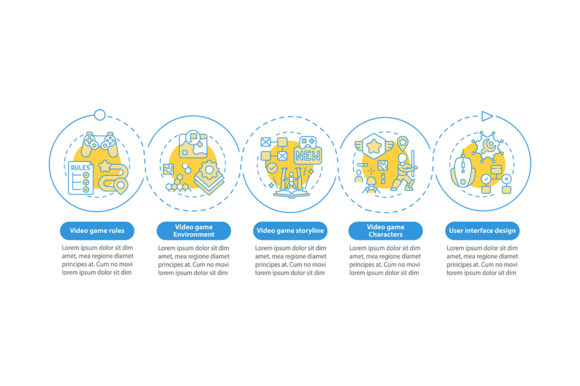
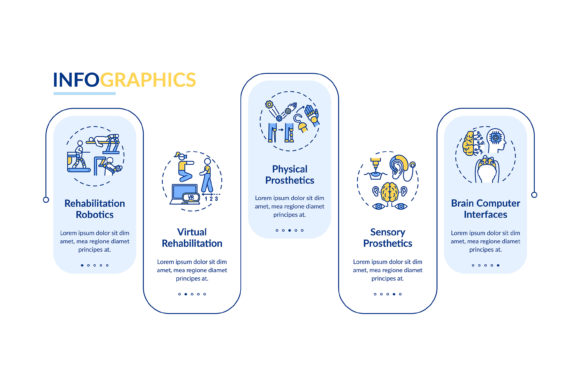
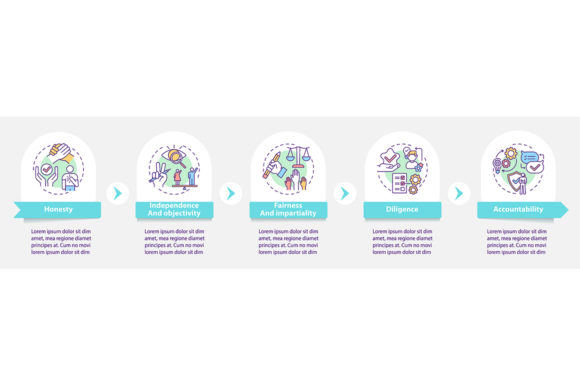
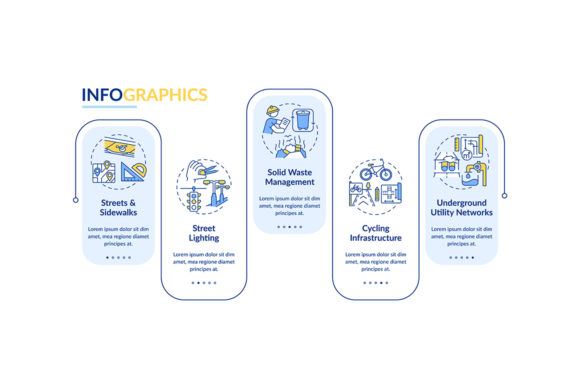
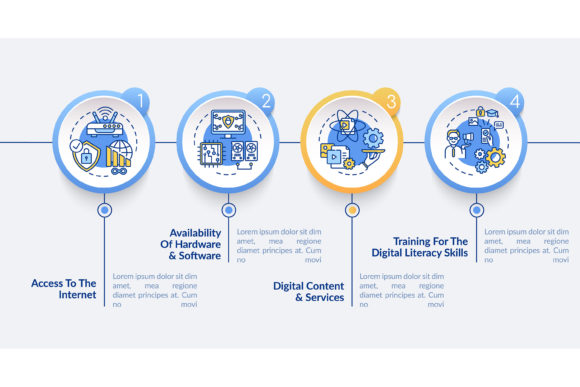
Opening the Digital Inclusion Components vector infographic template, I immediately notice a clean, structured approach to data visualization. The design feels modern and professional, with a clear emphasis on process flow and workflow layout. It’s evident that this asset was created with presentation and educational visuals in mind, making it a strong candidate for branding materials that require a logical, step-by-step visual narrative.
The digitalization presentation design elements are well-organized, with a focus on clarity and readability. The use of linear icons and a four-step process timeline gives the asset a very structured feel, which is ideal for projects that need to communicate a methodical approach or digital transformation journey.
Real-World Application: How It Fits into Client Projects
As a designer working with small businesses and handmade brands, I often look for assets that can be easily adapted to different formats—whether it's for product packaging, social media posts, or website graphics. Digital Inclusion Components has the potential to serve as a foundational element in several client projects, especially those centered around digital strategy, education, or service-based industries.
This infographic could be used in a variety of ways. For instance, a local event planner might incorporate it into a marketing campaign to illustrate how their services streamline the planning process. Similarly, an online course creator could use it to break down the learning journey into digestible steps, enhancing the visual appeal of their content.
Its versatility also makes it suitable for Canva templates, Cricut projects, or even print-on-demand products like stickers and t-shirts. The vector format ensures scalability without loss of quality, which is essential when designing for both digital and print mediums.
Where This Asset Shines: Best Use Cases
Digital Inclusion Components performs exceptionally well in large layout areas where visual storytelling is key. It works beautifully as a hero graphic on landing pages, within product mockups, or as part of a themed collection for a brand identity project. Its structured layout supports complex narratives, making it ideal for editorial design, blog visuals, or even Pinterest pins that aim to educate the audience.
In terms of brand identity work, this asset can be used as a supporting element in presentations, marketing collateral, or internal training materials. It adds a layer of professionalism and helps maintain a consistent visual tone across multiple platforms.
For handmade businesses or Etsy product listings, integrating this infographic into packaging or promotional materials can help convey the value proposition clearly. It's also a great fit for social media graphics that aim to highlight a service process or customer journey.
Caution Zones: When to Use with Care
While Digital Inclusion Components is visually appealing, there are certain scenarios where its use may require more thoughtful integration. For example, in small sizes or crowded layouts, the details of the infographic may become less legible. This is particularly important when using it for Instagram posts or other social media formats that demand quick readability at glance.
Additionally, this asset may not be the best fit for minimalist branding or projects that require a very clean visual hierarchy. The structured nature of the infographic could clash with overly simplistic designs. It’s also worth considering how it will appear on light and dark backgrounds, as the contrast may affect its overall impact.
For professional corporate materials, where a more refined and subtle approach is expected, this asset might need to be simplified or reinterpreted to align better with the brand’s visual language.
Design Considerations Before Commercial Use
Before incorporating Digital Inclusion Components into a client project, I always recommend testing it in black and white to assess its form and structure. Checking the contrast on both light and dark backgrounds is also crucial, as it affects how the design translates across different mediums.
Previewing the asset at various sizes—especially small ones—will ensure that it remains readable and impactful. Placing it on real mockups, such as a t-shirt or mug, helps visualize how it will perform in physical form. Testing print quality is another important step, especially if the design is intended for sublimation design or print-on-demand products.
Reviewing file formats is essential. If the asset includes SVG or PNG files, inspecting transparency and editability will determine how flexible it is for further customization. Comparing it with different font styles—serif, sans serif, script, handwritten, and display fonts—can help ensure it complements the typography effectively.
Lastly, confirming the presence of a commercial license is a must before using it for any client or business project. Ensuring that all legal requirements are met prevents potential issues down the line.
Final Thoughts: A Useful Addition to Your Design Toolkit
Overall, Digital Inclusion Components is a valuable graphic design asset that offers a structured and modern approach to data visualization. It fits well into a range of creative projects, from packaging design and web design to editorial design and brand identity work. While it requires careful consideration in certain contexts, its adaptability and clean aesthetic make it a strong contender for designers looking to enhance their visual storytelling.
If you're working on a project that needs to communicate a clear process or digital transformation journey, this infographic could be the perfect tool to elevate your design and leave a lasting impression on your audience.