Family Doctor Assistance Infographic Review
A First Look at the Visual Flow
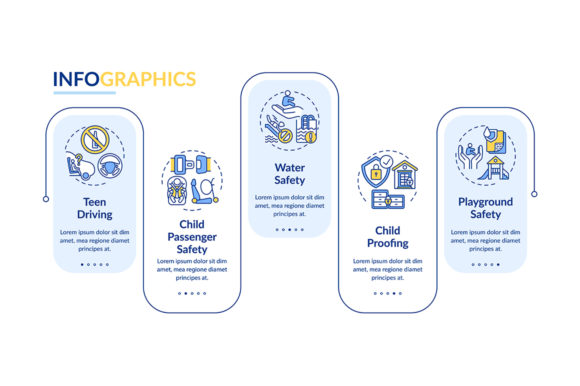
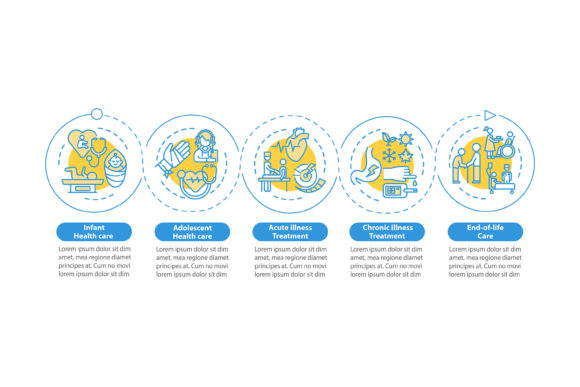
When I first opened the Family Doctor Assistance Infographic, I was immediately drawn to its clean, structured layout. The design feels calm and professional, which is exactly what you want for healthcare-related visuals. It uses a five-step process timeline with linear icons that guide the viewer through a logical sequence. This makes it ideal for educational or informational embroidery projects where clarity is key.
The mood created by this infographic is reassuring and organized. The use of simple shapes and consistent line weights gives it a modern, almost minimalist vibe. I can see this working well on products like custom apparel or personalized gifts where the message needs to be clear but not overwhelming.
How It Translates to Embroidery Projects
Embroidering this design onto fabric requires some consideration, especially when thinking about how the vector elements will translate into stitches. The linear icons are straightforward and should stitch cleanly using a combination of satin stitch and running stitch. However, the data visualization aspect might require more attention to detail to maintain its visual integrity after stitching.
For example, if I were creating an embroidered patch for a handmade product like a tote bag or apron, the Family Doctor Assistance Infographic would add a touch of professionalism. It could also work well as part of a nursery decor set or as a holiday gift with a health-focused theme.
On a sweatshirt or t-shirt, the design’s structure would stand out without being too busy. But I’d recommend testing it on a scrap piece of fabric first to check how the stitch density affects the look and feel. Also, ensuring good thread color contrast is essential to make sure the details remain visible, especially on darker fabrics.
Where to Use It Carefully
While this design has a lot of potential, there are certain scenarios where extra care is needed. For instance, using it on small hoop sizes might result in loss of detail, so I'd suggest confirming the minimum hoop size before finalizing any project. Similarly, on textured fabrics or thin fabric, the stabilizer choice becomes crucial to prevent puckering or distortion.
If planning to use it on curved surfaces like caps or hats, the design's corners and edges need to be tested for flexibility. Tiny lettering or dense stitch areas may not render well on stretchy fabric or layered garments, so it's best to review the embroidery file closely before committing to a large run.
Also, when considering commercial embroidery or selling finished items, always confirm the licensing terms. Some designs come with restrictions, and it's important to stay within those guidelines to avoid legal issues later on.
Design Notes for Embroidery Artists
Here are a few practical tips for using the Family Doctor Assistance Infographic in your embroidery projects:
- Test on Scrap Fabric: Always start with a small test to evaluate how the design looks when stitched.
- Check Thread Contrast: Ensure the thread colors used provide enough visibility against the fabric background.
- Review Stitch Density: Too many stitches in one area can cause tension issues or damage the fabric.
- Confirm Hoop Size: Make sure the design fits comfortably within your hoop to avoid stretching or misalignment.
- Inspect Small Details: Look closely at the icons and text to ensure they're legible after stitching.
- Use Proper Stabilizer: Especially on delicate or stretchy materials, the right stabilizer can save your project.
- Test in Black and White: This helps identify any hidden details that might get lost in color.
- Compare Light and Dark Fabrics: Some colors may not show up as well on dark backgrounds.
Whether you're an Etsy seller, craft business owner, or just starting out as a creative entrepreneur, this infographic offers a versatile base for a range of embroidery projects. Just be mindful of the fabric and technique choices to ensure the final finished product meets your expectations.
Final Thoughts on Value and Appeal
The Family Doctor Assistance Infographic brings a sense of order and reliability to any embroidered item it's placed on. Its clean lines and structured format help convey information clearly, making it a great fit for personalized gifts, small shop products, or even boutique branding.
In terms of visual appeal, it's subtle yet impactful. When used correctly, it can elevate the handmade presentation of your custom apparel or digital embroidery file. And for craft fair products or printable mockups, it adds a layer of professionalism that customers will appreciate.
Overall, this design has real-world potential for embroidery artists looking to expand their design assets portfolio. Just remember to take the time to test and refine before moving forward with larger or commercial projects.