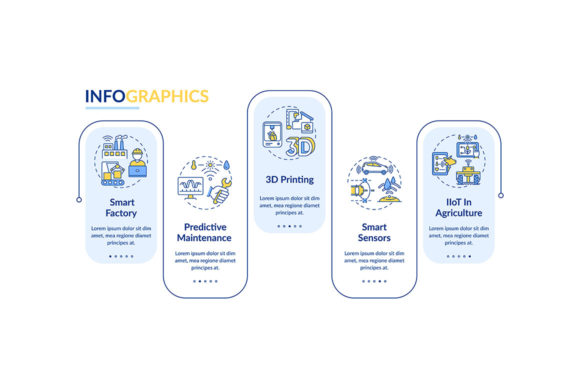
Industry 4.0 Trends Vector Infographic for Graphic Templates
As a designer who regularly works with branding, marketing visuals, and packaging, I’ve come across countless graphic templates, but the Industry 4.0 Trends Vector Infographic stands out as a versatile design asset that can elevate a project’s visual appeal. This infographic template brings a modern and structured feel to any creative endeavor, especially when dealing with data visualization or process-oriented content.
A First Impression of Modern Design
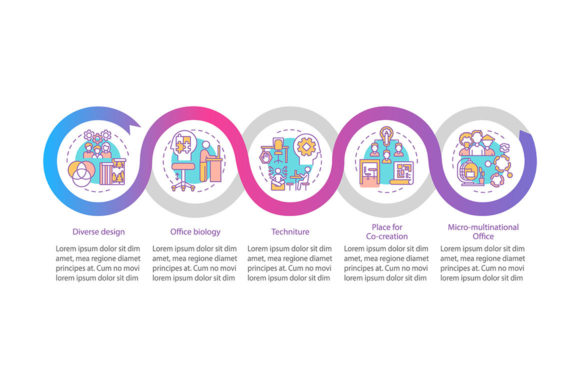
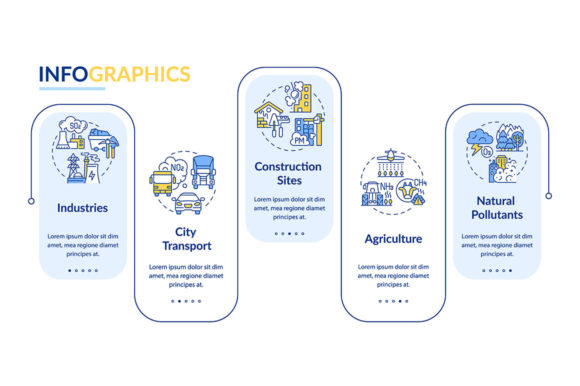
The Industry 4.0 Trends Vector Infographic immediately presents a clean and organized aesthetic. It uses a combination of smart sensors, maintenance icons, and linear workflow layouts to convey information in an easy-to-follow manner. The style is professional yet approachable, making it suitable for both digital and print formats. Its visual language suggests a focus on efficiency and technological advancement, which makes it ideal for clients in tech, manufacturing, or even educational sectors.
Real-World Application in Creative Projects
In a recent project for a handmade brand launching a line of smart home accessories, this infographic was used as a background element in product mockups. The data visualization with 5 steps helped illustrate the product’s integration into smart home systems, while the process timeline chart added a sense of progression and reliability. The workflow layout with linear icons made it easier to explain complex ideas in a digestible format.
This graphic template also works well in editorial design, such as blog posts or magazine spreads about Industry 4.0. When paired with strong typography, it enhances readability without overpowering the content. It’s particularly useful in social media graphics, where a clear visual hierarchy is essential for audience engagement.
Where This Asset Shines Brightest
The Industry 4.0 Trends Vector Infographic shines in large layout areas, such as hero sections on websites, product packaging, or printable wall art. It adds a touch of sophistication and structure to otherwise simple designs. In campaigns that require thematic consistency, this infographic can serve as a recurring visual element that reinforces the brand message.
For digital sellers or Etsy product listings, this design asset can be used in Canva templates, Cricut projects, or sticker designs. It also pairs well with minimalist branding efforts, adding just enough detail to create interest without overwhelming the viewer.
Designers Should Use It With Caution Here
While the Industry 4.0 Trends Vector Infographic is visually appealing, it may not be the best choice for small-sized applications like app icons or tiny social media banners. Its intricate details could get lost when scaled down, reducing its effectiveness. Similarly, in projects that demand a very clean visual hierarchy, such as corporate presentations or high-end branding materials, it might clash with more refined design elements.
When using this graphic template on light or dark backgrounds, it’s important to test the contrast levels to ensure readability remains intact. Additionally, if you plan to use it in commercial projects, always confirm that the file comes with a proper commercial license.
How It Affects Readability and Brand Perception
The Industry 4.0 Trends Vector Infographic contributes significantly to visual trust and recognition. By breaking down complex processes into digestible steps, it helps establish a sense of professionalism and clarity. This is especially valuable for small business branding or handmade businesses aiming to appear credible and tech-savvy.
Its emotional appeal lies in its ability to simplify technology-related concepts, making them more relatable to a broader audience. Whether used in marketing visuals, website graphics, or print-on-demand products, it enhances the overall impression of the design project by reinforcing the brand’s message through consistent and clear visual storytelling.
Practical Designer Notes Before Using
Before incorporating this infographic into a client project, I recommend testing it in black and white to see how well the visual hierarchy holds up. Check how it looks on both light and dark backgrounds, and preview it at different sizes to ensure it maintains quality across all platforms.
Inspect the file formats—whether SVG or PNG—and make sure they support your intended use, especially if you need vector editability for customization. Compare it with different font styles, such as serif, sans serif, or script fonts, to find the best match for your brand identity.
Finally, always verify the licensing terms before using it commercially. For designers working with print-on-demand services, Etsy shops, or other digital marketplaces, ensuring compliance is crucial to avoid any legal issues down the line.
Conclusion: A Useful Tool for Professional Design Work
The Industry 4.0 Trends Vector Infographic is a solid graphic template that can enhance the visual narrative of a wide range of projects. From digital ads and web design to packaging and merchandise, it offers a structured yet modern approach to conveying information. While it may not be suitable for every scenario, it’s definitely worth considering for any designer looking to add a touch of professionalism and clarity to their work.