Organic Waste Diversion Infographic - A Graphic Template for Local Business Branding
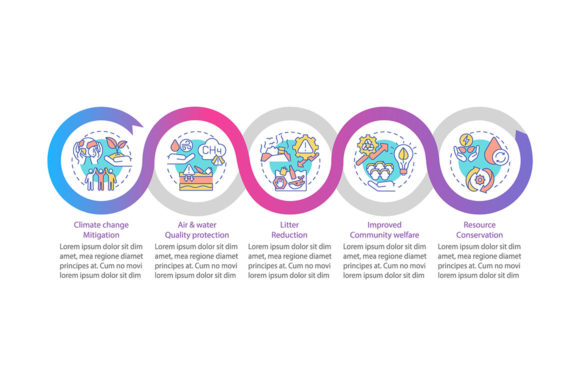
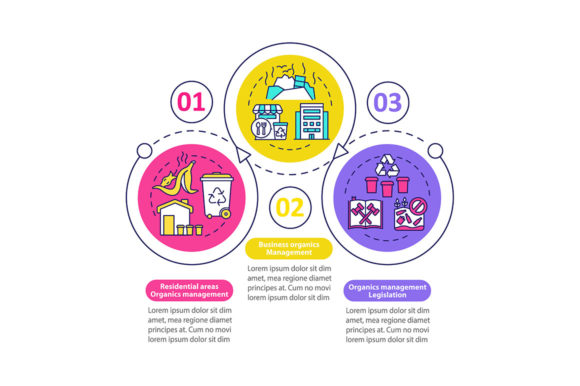
As an experienced brand designer, I recently came across the Organic Waste Diversion Infographic, a graphic template that immediately caught my attention. This vector infographic offers a clean, modern design with elements like a 3-step data visualization, process timeline chart, and workflow layout with linear icons. It’s not just a graphic design asset—it’s a versatile tool that can be tailored to support local businesses in various branding and packaging applications.
A Fresh Approach to Sustainability Branding
The first impression of this organic waste diversion vector infographic is one of clarity and purpose. The design feels premium yet approachable, suggesting a brand personality that values transparency and environmental responsibility. It fits well with eco-conscious businesses such as a local bakery or handmade soap shop looking to emphasize their commitment to sustainability through visual storytelling.
The use of linear icons and a step-by-step layout creates a sense of order and progression, which aligns perfectly with brands promoting recycling, composting, or sustainable sourcing practices. It subtly communicates a message of professional branding without being overly technical or complex.
Real-World Applications for Local Businesses
This infographic isn’t limited to presentation slides—it has a wide range of uses in small business branding. Imagine using it on product labels for a line of organic skincare products, where it can visually explain the steps involved in waste reduction. It could also serve as a hero graphic on a boutique store’s website banner or as part of a seasonal campaign promoting zero-waste initiatives.
In promotional materials, it works beautifully as part of flyers, posters, or social media graphics. For instance, a local florist might use it in a post about how they manage organic waste from their flower arrangements, reinforcing their brand’s eco-friendly values. It’s also ideal for packaging design accents, especially when paired with minimalist layouts that allow the infographic to stand out.
Enhancing Brand Identity and Customer Trust
One of the key benefits of using the Organic Waste Diversion Infographic is its ability to improve visual hierarchy and create a stronger first impression. When used in product mockups or printable design assets, it adds a layer of professionalism that can significantly enhance customer trust.
For businesses aiming to build a consistent brand identity, this infographic helps maintain a cohesive look across different marketing channels. Whether it’s on a thank-you card, hang tag, or digital ad, it reinforces the brand’s message of sustainability in a clear and engaging way.
Where This Design Works Best
This graphic design asset shines in situations where visual storytelling is essential. It’s perfect for product labels, seasonal packaging, promotional banners, and social media campaign graphics. It also works well as decorative elements on business cards or website banners, especially for brands that want to highlight their environmental initiatives without overwhelming the viewer.
It’s particularly effective in editorial design contexts, such as blog posts or educational content explaining the benefits of organic waste management. Its simplicity makes it adaptable for both digital product and printable design needs.
Use With Caution in These Scenarios
While this infographic is highly versatile, there are specific areas where it should be used carefully. Avoid placing it on very small labels or in sections of your design that require high contrast or minimal decoration. It may not be the best fit for formal corporate branding or luxury minimalist designs where the focus is on clean, unadorned visuals.
Additionally, ensure that the infographic doesn’t compete with important text or legal information. When used on ingredient-heavy layouts or crowded product packaging, it may distract from the core message you’re trying to convey.
Practical Designer Notes and Tips
Before integrating this graphic template into your branding project, test it on real packaging mockups to see how it looks in context. Check its performance in black and white to ensure it still conveys the intended message without color. Preview it on small labels to confirm it remains legible and impactful at all sizes.
Compare it with competitor packaging to ensure it stands out while maintaining brand consistency. Review the print quality and inspect the PNG or SVG file for transparency and editability. Test it beside different font styles—serif, sans serif, script, handwritten, and display—to ensure compatibility with your brand’s typography.
Finally, always confirm the commercial license before using it for client work, local business branding, or physical product sales. This ensures compliance and avoids any potential legal issues down the line.
Final Thoughts on Organic Waste Diversion Infographic
The Organic Waste Diversion Infographic is more than just a graphic design asset—it’s a strategic tool that can elevate your brand’s message and visual appeal. Whether you're designing for a handmade business, food label, or seasonal product campaign, this infographic provides a clean, professional look that aligns with eco-conscious values.
By thoughtfully integrating it into your brand identity, you can create a more polished and emotionally resonant experience for your customers—one that supports your mission and enhances your marketing visuals in meaningful ways.