Sustainable Tour Tips Vector Infographic
First Impressions: A Clean, Educational Vibe
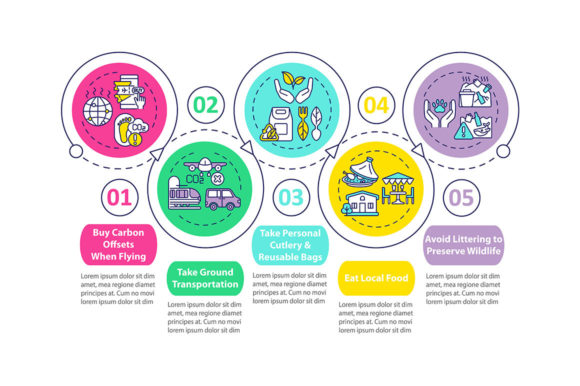
Opening the Sustainable Tour Tips Vector Infographic, I was immediately struck by its clean, modern layout and educational tone. The design feels like a well-organized presentation, making it ideal for conveying information in a structured way. It’s not overly flashy, which is a good thing—this kind of infographic needs to be clear and easy to follow, especially when translated into embroidery.
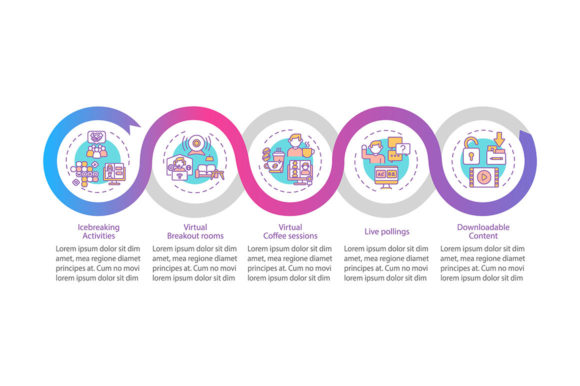
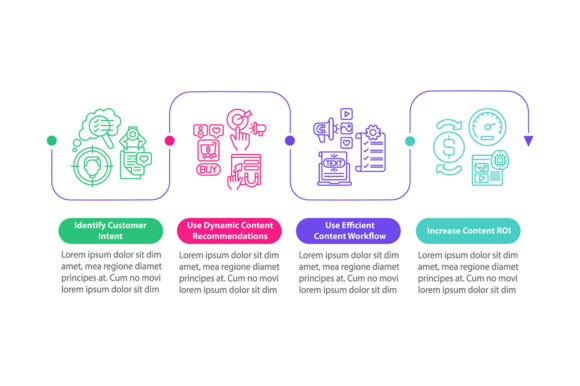
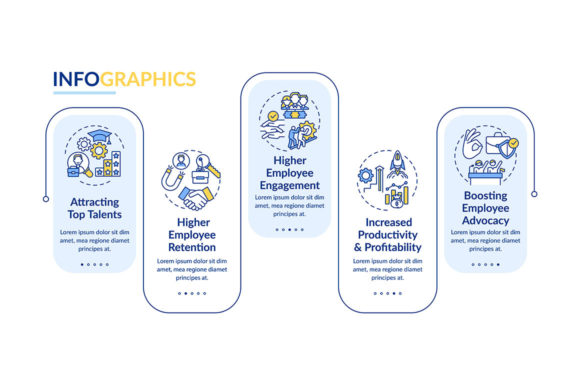
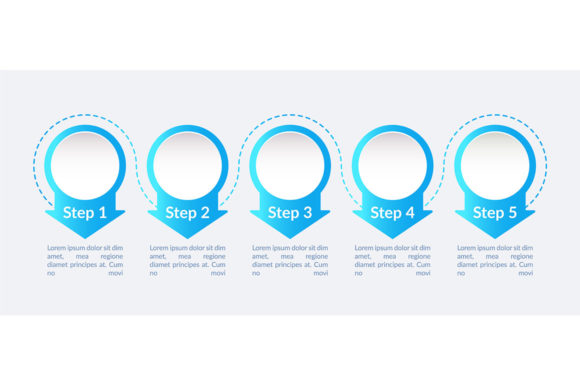
The use of linear icons and a 5-step process timeline gives it a logical flow, perfect for explaining carbon offsetting or sustainable travel practices. The mood is professional yet approachable, which makes it a great fit for handmade products that aim to educate or inspire eco-conscious behavior.
Real-Life Embroidery Scenario: Custom Tote Bag Design
Let’s say I’m designing a custom embroidered tote bag for a small shop that sells eco-friendly products. I want to highlight sustainability tips on the bag. Using the Sustainable Tour Tips Vector Infographic as a base, I can adapt the 5-step data visualization into a simple, eye-catching graphic.
On a tote bag, the design would need to be large enough to read from a distance but not too busy. The linear icons are a plus—they translate well into embroidery with satin stitch outlines and fill stitches for clarity. However, I’d have to make sure the text is legible, especially if using a dark fabric background. Testing the design on scrap fabric first would be key here.
The infographic’s workflow layout could work well as a central graphic, flanked by smaller icons representing each step. This would give the finished product a cohesive look without overwhelming the viewer. For an Etsy listing, this kind of visual storytelling could really enhance the perceived value of the handmade item.
Embroidery Performance: What Works and What to Watch For
The Sustainable Tour Tips Vector Infographic has a good balance of detail and simplicity, which is important for machine embroidery. The linear icons and timeline chart should stitch cleanly, especially with a satin stitch around the edges and fill stitches inside. However, if the design includes tiny lettering or intricate details, those might get lost in the stitching, particularly on stretchy or textured fabrics.
For projects like sweatshirt embroidery or cap patches, the design should be tested on different hoop sizes to ensure everything fits without distortion. If the design is used on curved surfaces, such as a cap, the layout may need some reworking to maintain clarity and proportion.
Stitch density is another factor to consider. If the infographic has areas with a lot of overlapping elements, it could lead to a dense stitch count that affects the fabric’s drape or comfort. Using proper stabilizer and adjusting the stitch density in the digital embroidery file will help prevent puckering or tearing, especially on thin or stretchy materials.
Visual Appeal and Marketability
When it comes to handmade products, the Sustainable Tour Tips Vector Infographic adds a layer of professionalism and thoughtfulness. It’s not just a decorative piece—it tells a story and provides value, which can increase customer trust and engagement. For a personalized gift or holiday embroidery project, this kind of informative design stands out in a sea of generic motifs.
As a craft business owner or Etsy seller, using this design on items like embroidered patches, pillow covers, or nursery decor could attract eco-conscious buyers looking for meaningful, educational products. It also helps maintain brand consistency if you’re selling multiple items with similar themes.
However, the design should be used carefully on small hoop sizes or tiny lettering. In these cases, simplifying the layout or reducing the number of steps might be necessary to keep the message clear and visually appealing.
Practical Designer Notes Before Use
Before jumping into production, I recommend testing the Sustainable Tour Tips Vector Infographic on scrap fabric. Check how the thread colors contrast with your chosen fabric, especially if using a dark background. Review the stitch density and adjust it if needed to avoid overloading the fabric.
Confirm the hoop size required for the design and ensure you have the right stabilizer for your fabric type. Also, test the design in black and white mockups to see how it looks on different backgrounds. This is especially important if you plan to use it on both light and dark fabrics.
Lastly, check the licensing terms before selling any finished product or digital embroidery file based on this template. Even though it’s a graphic template, understanding the usage rights is crucial for commercial embroidery projects.
The Sustainable Tour Tips Vector Infographic is a versatile and thoughtful design that can elevate your embroidery projects. Whether you're creating custom apparel, small shop products, or printable mockups, this template offers a practical, educational angle that resonates with today’s eco-conscious market.