Types of Digital Libraries Infographic Review
First Impressions: A Visual Journey Through Data
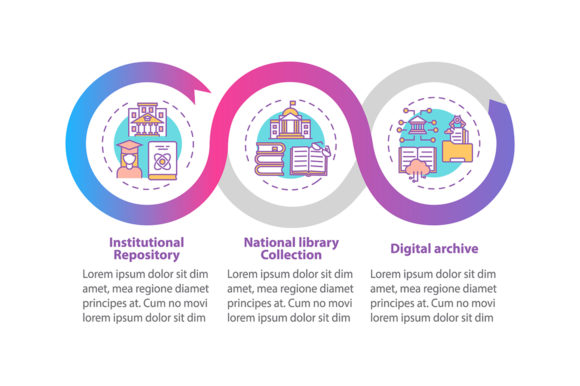
Opening the Types of Digital Libraries Infographic feels like stepping into a well-organized presentation. The design has a clean, academic vibe with its use of linear icons and structured layout. It immediately suggests information flow, which is great for educational or professional contexts. The vector format gives it a crisp edge, and the three-step data visualization makes it easy to follow.
The mood it creates is professional yet approachable. It doesn’t feel overly technical, making it suitable for a wide range of embroidery projects. The infographic’s theme fits well with custom apparel that needs to convey knowledge or branding in an organized way.
Real-Life Embroidery Use: Custom Tote Bag Scenario
Imagine preparing a custom embroidered tote bag for a boutique selling eco-friendly products. The Types of Digital Libraries Infographic could be used as a design element on the front pocket, helping to communicate the brand’s focus on knowledge and sustainability. The process timeline chart would translate well into a stylized graphic that adds visual interest without overwhelming the fabric.
However, I’d test this design on scrap fabric first. The stitch density and thread color contrast need to be checked to ensure clarity. If using light-colored thread on a dark fabric, the details might get lost. Similarly, if the design is too intricate, it may not stitch cleanly on stretchy materials like canvas or denim.
For a tote bag, the hoop size is important. This design seems to fit within a standard 5x7 hoop, but I’d confirm that before proceeding. Using a proper stabilizer will also help maintain the integrity of the design, especially on textured fabrics.
Where This Design Works Best
The Types of Digital Libraries Infographic shines in projects that benefit from clear, structured visuals. It works well for custom apparel, such as sweatshirts, t-shirts, and caps, where the message needs to be legible at a glance. It also looks great on embroidered patches and apron designs, where the workflow layout can be simplified into a decorative motif.
For handmade products like pillow covers or tea towels, the infographic can serve as a subtle yet informative detail. It adds value to personalized gifts and small shop merchandise, especially when paired with other design elements that reflect the brand’s personality.
Etsy sellers and craft business owners may find this design useful for printable mockups or digital product previews. It can be part of a larger set of design assets that appeal to customers interested in education or organization.
Design Considerations for Embroidery Projects
While the Types of Digital Libraries Infographic offers a lot of potential, there are some areas where it should be used carefully. On small hoop sizes, the detail level may be too high, leading to stitching issues. For curved surfaces like caps or hats, the linear icons might not translate well unless adjusted.
Dense stitch areas could cause puckering on thin or stretchy fabrics. Testing the design in black and white mockups helps assess how the contrast affects visibility. Also, checking the stitch density and ensuring that the thread colors match the intended fabric background is essential.
For commercial embroidery, confirming the licensing terms is crucial. While the file format and compatibility aren’t specified here, it’s always wise to check these details before using the design in finished products or digital sales.
Visual Appeal and Brand Value
This design contributes to the visual appeal of any project by adding a touch of professionalism. It enhances the product value and customer trust, especially for handmade products that aim to educate or inform. When used correctly, it can elevate the brand consistency and giftability of items like nursery decor or holiday gifts.
It also supports buyer engagement by offering a unique design that stands out in a crowded market. Whether it’s a personalized gift or a small shop product, the infographic adds a layer of thoughtfulness and quality.
Embroidery Designer Notes
Before using the Types of Digital Libraries Infographic in any embroidery project, take time to review the stitch density, hoop size, and thread colors. Test it on scrap fabric to see how it looks after stitching. Check whether the design works for both personal and commercial projects, and confirm the licensing before selling finished items or digital versions.
Also, consider the background fabric—light or dark—and how it affects the visual clarity of the design. Using a proper stabilizer ensures that the final finished product looks clean and professional.
Whether you're an apparel decorator, craft business owner, or creative entrepreneur, the Types of Digital Libraries Infographic can be a valuable addition to your design toolkit when used thoughtfully and strategically.