Food Waste Kinds Vector Infographic for Local Business Graphics
A First Impression: What This Infographic Suggests
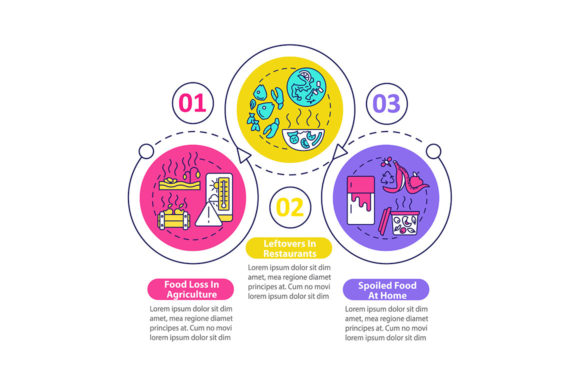
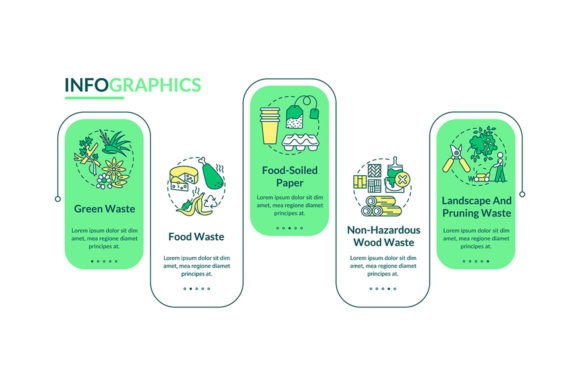
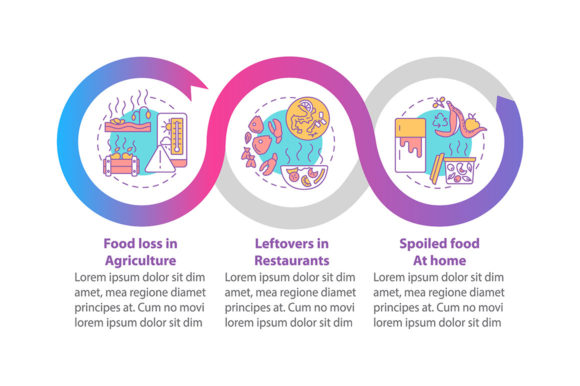
At first glance, the Food Waste Kinds Vector Infographic feels clean, informative, and modern. It has a strong data-driven vibe with its 3-step process timeline and linear icon workflow layout. The design suggests a brand that values transparency, education, and sustainability. It’s not overly decorative, which makes it feel professional but approachable—ideal for small businesses aiming to communicate clear messages about food waste without sacrificing style.
The agricultural loss and leftovers presentation elements suggest a brand personality that is eco-conscious, responsible, and community-oriented. This kind of visual could easily fit into a local bakery, coffee shop, or even a handmade soap business looking to highlight their commitment to reducing waste in their supply chain or production process.
Real-World Applications for Small Business Branding
As a brand designer working on a local bakery’s packaging, I found this infographic template incredibly useful. It helped break down complex ideas like food waste into digestible visuals. For instance, we used the three-step data visualization on product labels to explain how the bakery sources ingredients locally, minimizes waste, and donates leftovers. This made the brand more relatable and trustworthy to customers who care about sustainable practices.
On social media graphics, the Food Waste Kinds Vector Infographic was used as a hero graphic for a campaign titled “From Farm to Fork.” It worked well alongside short videos explaining how food waste impacts the environment. The linear icons made it easy to follow the process, while the clean layout allowed for quick customization with brand colors and fonts.
In promotional materials such as flyers and posters, the infographic served as a background element that didn’t overpower the main message. We layered it subtly behind text about the bakery’s zero-waste initiatives, ensuring that the visual supported the content rather than competing with it.
Supporting Stronger Brand Identity and Customer Trust
One of the most valuable aspects of this graphic design asset is its ability to enhance brand identity. By using consistent visuals across packaging, labels, and promotional materials, a small business can create a stronger first impression and improve customer recognition. The infographic's structured layout helps establish a clearer visual hierarchy, making it easier for customers to absorb key messages at a glance.
For businesses selling products with eco-friendly or ethical messaging, the infographic reinforces those values visually. It contributes to a more polished marketing strategy and builds emotional connections with customers who share similar concerns about sustainability.
When used in product mockups and printable inserts, the infographic adds an educational touch that elevates the overall presentation. It’s especially effective in boutique stores or handmade markets where consumers appreciate brands that are transparent and socially responsible.
Where This Design Works Best
The Food Waste Kinds Vector Infographic shines in situations where clarity and simplicity are key. It works beautifully as a decorative brand element on product labels, packaging accents, and promotional banners. Its clean lines and structured format make it ideal for hero graphics on websites, digital ads, and seasonal campaign visuals.
It also serves as a great foundation for social media campaign graphics, where attention spans are short and visual impact is crucial. The infographic can be repurposed into different formats, such as Instagram carousels, Pinterest pins, or Facebook posts, maintaining a cohesive look across platforms.
For designers working on packaging design or product mockups, this asset offers flexibility. It can be scaled, colored, and combined with other design elements to suit various branding needs, from rustic handcrafted aesthetics to sleek modern styles.
Using It with Caution
While the Food Waste Kinds Vector Infographic is versatile, there are certain scenarios where it should be used carefully. In formal corporate branding, it may feel too casual or cluttered if not adapted properly. On very small labels or crowded packaging, the details might get lost, so it’s important to test it on real-world mockups before finalizing.
It’s also best avoided in areas where legal information or ingredient lists are displayed, as the infographic could compete with essential text. Luxury minimalist brands might find it too busy unless simplified further. Always check print quality, PNG transparency, and SVG editability when using this asset for commercial design projects.
Practical Designer Notes for Real Projects
Before using this graphic design asset in any client project, I recommend testing it on real packaging mockups. Check how it looks in black and white to ensure it still conveys the message clearly. Preview it on small labels and compare it with competitor packaging to maintain differentiation.
Test it with different font styles—serif, sans serif, script, handwritten, and display fonts—to see what pairs best with the infographic’s aesthetic. Confirm that the design aligns with your brand’s color palette and that you have the proper commercial license for use in client work or physical product sales.
Whether you’re designing for a local business, handmade seller, or food label, this graphic template offers a powerful way to communicate your brand’s message through visual storytelling. With thoughtful application, it can become a cornerstone of your small business branding efforts, helping you stand out in a competitive market with both style and substance.