Immigrants Rights Vector Infographic – A Graphic Template for Editorial Clarity
First Impressions: A Professional and Educational Visual Statement
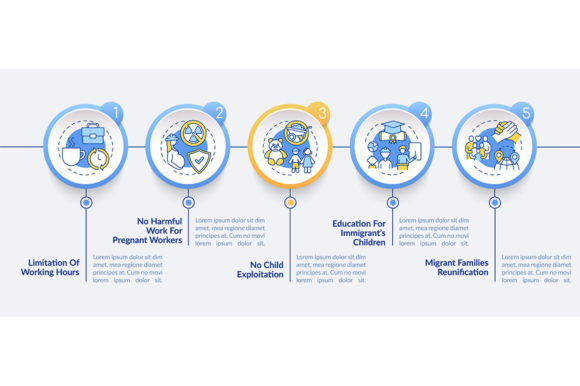
The Immigrants Rights Vector Infographic immediately conveys a sense of clarity, professionalism, and educational purpose. Its clean layout and structured data visualization suggest it’s built for content that needs to inform, guide, or explain processes in an accessible way. This graphic design asset feels modern and precise, with a visual tone that leans toward informative and slightly formal—ideal for niche topics such as immigration law, migrant worker rights, or social advocacy.
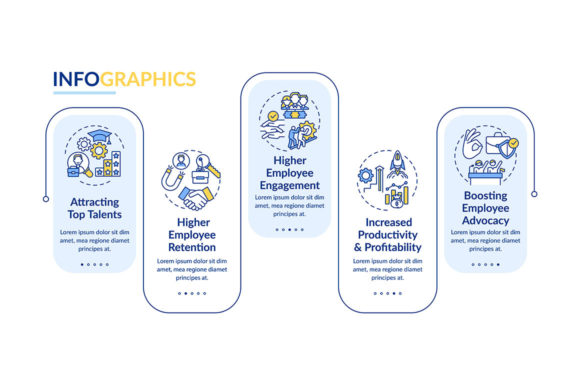
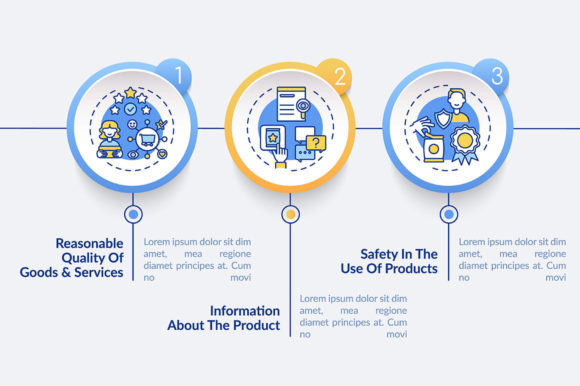
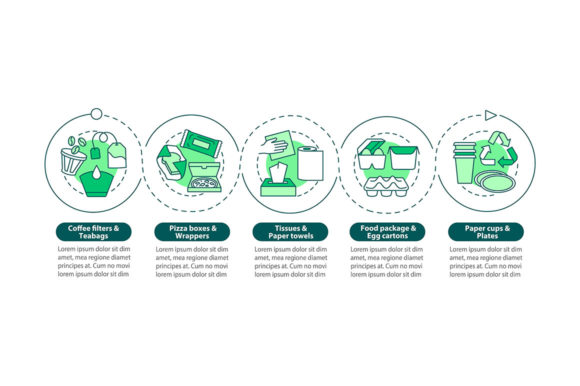
Its use of linear icons and a five-step process timeline gives the design a logical flow, making it easy for readers to follow along. The editorial mood is neither overly decorative nor too minimalistic—it strikes a balance between being visually engaging and not distracting from the core message. This makes it particularly well-suited for content niches that require both authority and approachability.
Real Publishing Use Cases: Where This Design Shines
As a blogger or content creator, I see this infographic template fitting seamlessly into several publishing scenarios. For example, when creating Pinterest pins or blog featured images, the structured nature of the Immigrants Rights Vector Infographic ensures that the key message is instantly recognizable. It can also serve as a website header or newsletter banner, especially for digital guides or downloadable resources focused on immigrant rights and policy.
This graphic design asset could be used in digital product packaging like eBook covers, printable worksheets, or media kits. Its modular structure allows for customization, which is perfect for Canva templates or content marketing campaigns. For affiliate marketers or online educators, the infographic could be repurposed into lead magnets or social media graphics that drive traffic and engagement.
The Immigrants Rights Vector Infographic also supports brand identity through consistent visual elements. When used across multiple platforms—such as blog posts, email newsletters, or social media previews—it helps reinforce a cohesive look and feel, improving reader trust and recognition.
Visual Hierarchy and Reader Engagement
One of the most important aspects of any graphic design asset is how it influences visual hierarchy and click-through potential. The Immigrants Rights Vector Infographic does this effectively by using clear steps, bold lines, and icon-driven visuals to guide the viewer’s eye. This structure enhances readability and makes the information more digestible, especially for content-heavy pages or downloadable resources.
For web design purposes, this infographic works well as a hero image or within a sidebar section of a website. It adds visual interest without overwhelming the user, ensuring that the main message remains at the forefront. In editorial layouts, it can serve as an accent piece or a standalone graphic that breaks up large blocks of text, improving overall page aesthetics and usability.
When used in social media graphics, the infographic’s strong visual cues make it more shareable and clickable. Whether it's a Facebook post, Instagram story, or Twitter thread, its professional yet approachable style aligns well with content aimed at educating or advocating for specific causes.
Where to Use with Caution
While the Immigrants Rights Vector Infographic is versatile, there are certain contexts where it may not perform as well. For instance, on small mobile thumbnails, the intricate details of the workflow layout might get lost or appear cluttered. Similarly, if placed on text-heavy blog images or low-contrast backgrounds, it could become difficult to read or blend in too much with surrounding content.
It’s also best avoided in serious corporate content or websites requiring a very minimal visual system. While the design is clean, it has enough detail to stand out, which might clash with minimalist branding approaches. However, for small business branding or creative marketplaces, it offers a great middle ground between functionality and visual appeal.
Practical Publisher Notes for Optimal Use
To ensure the Immigrants Rights Vector Infographic performs well in real-world publishing scenarios, consider these tips:
- Test it on desktop and mobile screens to confirm that the design scales well and maintains readability across devices.
- Check how it looks as a thumbnail on platforms like Pinterest or social media feeds to ensure it grabs attention at a glance.
- Preview it inside a real blog layout to see how it interacts with other design elements like headlines, fonts, and background colors.
- Test it with headline text to ensure there’s sufficient contrast and that the infographic doesn’t overshadow the main message.
- Review file size for web performance and compress images properly to maintain fast loading times.
- Confirm commercial licensing before using it on monetized websites, affiliate pages, or paid content products.
Additionally, experiment with placing the infographic beside different font styles—serif, sans serif, script, handwritten, and display fonts—to see how it complements various typographic choices. This will help you determine the best fit for your brand’s visual identity and editorial design.
Final Thoughts: A Valuable Addition to Your Design Toolkit
The Immigrants Rights Vector Infographic is a powerful graphic design asset that can elevate the visual quality of your content across multiple publishing channels. Whether you're working on digital guides, printable designs, or affiliate marketing materials, this template provides a solid foundation for creating content that looks professional, informative, and trustworthy.
By integrating this infographic into your content marketing strategy, you can improve reader engagement, strengthen brand consistency, and create more impactful blog graphics and website headers. As a designer and publisher, I recommend testing it in various formats and contexts to fully understand its potential and limitations. With thoughtful implementation, it can become a go-to resource for any content creator looking to enhance their editorial presentation and visual storytelling.